A bone-crushing bite
Thick teeth and an exceptionally powerful bite allowed T. rex to damage and consume bone, not just slice flesh.
The self-appointed manager.
You have a plan. Everyone else has a suggestion. You enter a room like the meeting was waiting for you, and frankly, it probably was.
SIGNATURE MOVETaking charge of a situation that was not requesting leadership.
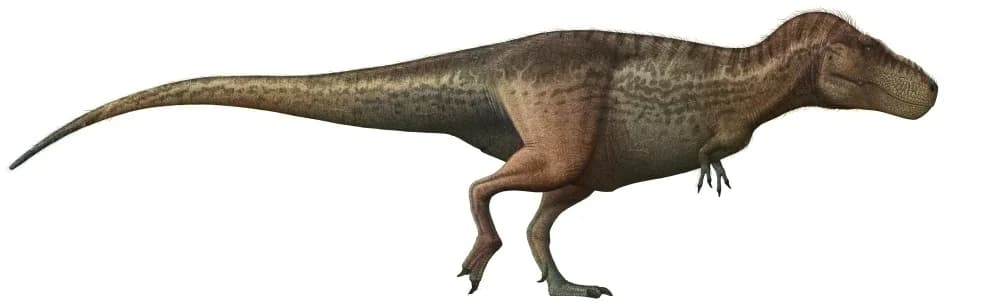 TYRANNOSAURUS REX · CARNIVORE
The jokes are ours.
The animal was very real.
Thick teeth and an exceptionally powerful bite allowed T. rex to damage and consume bone, not just slice flesh.
Its forelimbs had two main fingers. The arms were short, but their bones show substantial muscle attachments.
Large olfactory regions in the braincase suggest that smell was an important part of its sensory toolkit.
Healed bite injuries in prey fossils support active hunting. Like living large carnivores, it could also exploit carcasses.
Bone growth studies suggest a rapid adolescent growth phase on the way to an enormous adult body.
T. rex lived near the end of the Cretaceous and disappeared in the mass extinction about 66 million years ago.
Adult mass estimates depend on the specimen and reconstruction method. The extent of feathering is also debated.
Read more: Tyrannosaurus rex on Wikipedia · Research and references. Facts are summarized in our own words. Size and date ranges are approximate; estimates vary by specimen and study. Gallery images may include other species within the genus.
Fossils, museum displays, and published reconstructions. Artwork shows an interpretation; it is not a photograph of a living dinosaur.
Eight questions and an optional face scan will settle this. Very unofficially.