An ostrich-like outline
Long legs, a long neck, and a small head gave Gallimimus a bird-like silhouette.
Already on the way.
You said yes before checking the calendar. Your natural habitat is between plans, and your most-used phrase is ‘I can make that work.’ Nobody knows how. Including you.
SIGNATURE MOVETurning a quiet Saturday into a multi-location event.
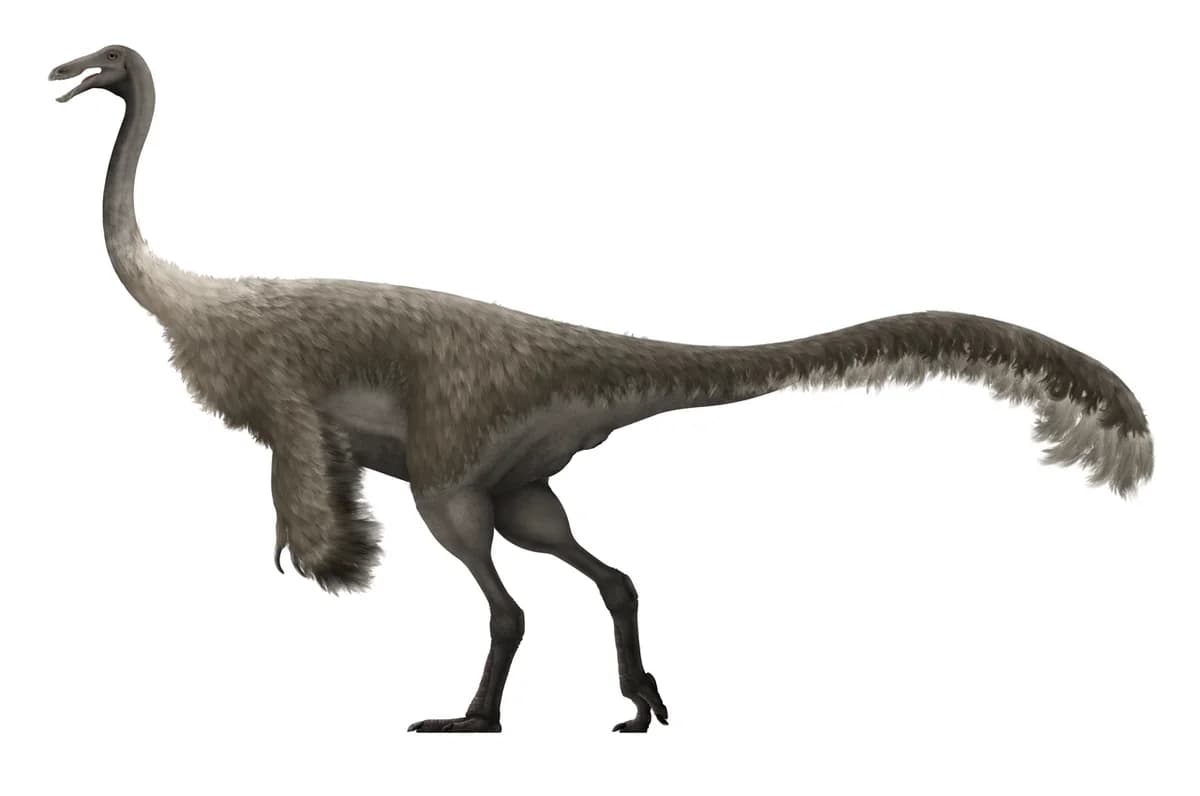 GALLIMIMUS BULLATUS · OMNIVORE / UNCERTAIN
The jokes are ours.
The animal was very real.
Long legs, a long neck, and a small head gave Gallimimus a bird-like silhouette.
The jaws ended in a toothless beak, leaving diet more difficult to infer than in a toothed predator.
Gallimimus was among the largest well-known members of the ostrich-mimic dinosaurs.
Elongated lower limbs are consistent with a capable runner, though exact speed estimates are uncertain.
Its slender forelimbs ended in three-fingered hands rather than wings capable of powered flight.
Important material was collected during Polish–Mongolian expeditions in the Gobi Desert.
Proposed diets include plant material and small animals. A famous filter-feeding interpretation of the beak is disputed.
Read more: Gallimimus on Wikipedia · Research and references. Facts are summarized in our own words. Size and date ranges are approximate; estimates vary by specimen and study. Gallery images may include other species within the genus.
Fossils, museum displays, and published reconstructions. Artwork shows an interpretation; it is not a photograph of a living dinosaur.
Eight questions and an optional face scan will settle this. Very unofficially.