Long at both ends
A long neck and exceptionally long tail made Diplodocus one of the most elongated familiar sauropods.
Taking the scenic route.
You are in no particular rush to participate in everyone else's urgency. Life is long. Your lunch break could be longer. Somehow, you usually get there.
SIGNATURE MOVEMaking ‘we'll see’ sound like a complete plan.
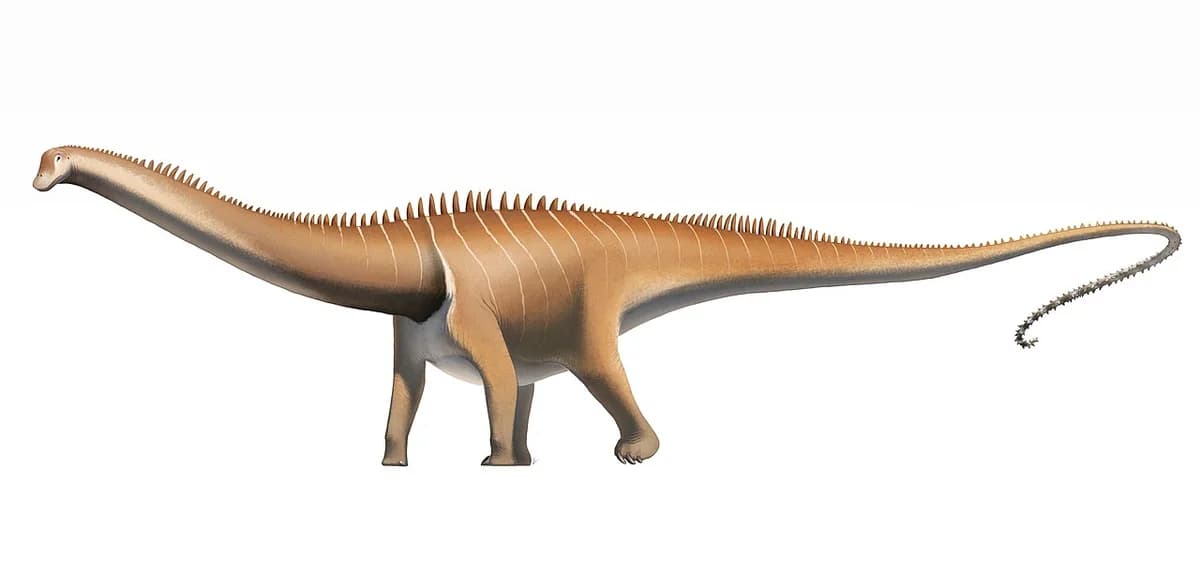 DIPLODOCUS CARNEGII · HERBIVORE
The jokes are ours.
The animal was very real.
A long neck and exceptionally long tail made Diplodocus one of the most elongated familiar sauropods.
Slender teeth clustered toward the front of the jaws rather than filling the whole mouth.
Dental studies indicate frequent replacement of worn teeth, useful for a plant-heavy diet.
Its name refers to distinctive double-beamed chevron bones beneath parts of the tail.
Casts of the Carnegie Museum skeleton were sent to museums around the world, making Diplodocus an international icon.
The skull was remarkably small relative to the long body and neck.
Neck posture and the way the tail was used remain debated; dramatic sonic-boom tail claims are not settled facts.
Read more: Diplodocus on Wikipedia · Research and references. Facts are summarized in our own words. Size and date ranges are approximate; estimates vary by specimen and study. Gallery images may include other species within the genus.
Fossils, museum displays, and published reconstructions. Artwork shows an interpretation; it is not a photograph of a living dinosaur.
Eight questions and an optional face scan will settle this. Very unofficially.